
How To Design A Small Living Room Without Sacrificing Style

Fresh for Spring: Interior Design Ideas to Brighten Your Home This Season
May 5, 2026
Designing a small living room is about making careful choices, not removing personality. The right layout, furniture scale, lighting and storage can make a compact space feel calm, practical and stylish without overcrowding it.
Whether you live in a flat, apartment, terrace or family home, small living room design works best when every decision has a purpose. This guide explains how to plan your space properly, avoid common mistakes and create a room that feels comfortable, considered and easy to live in.
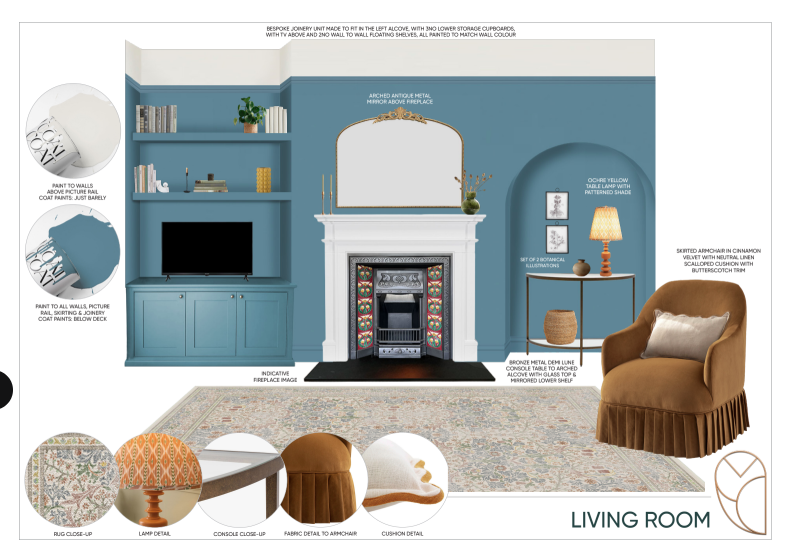
The Smart Way To Approach A Small Living Room
The best way to design a small living room is to start with the layout before decoration. Decide how the room needs to function, choose furniture that fits the scale of the space, use lighting to create depth, and keep storage integrated rather than added as an afterthought.
Style should come from proportion, texture, colour and detail, not from filling the room with too many pieces.
Start With How The Room Needs To Work
Before choosing colours or furniture, think about what the living room needs to do each day.
A small living room may need to work as:
- A place to relax in the evening
- A family TV room
- A home working corner
- A space for guests
- A play area for children
- A room for entertaining
This matters because a small room cannot comfortably support too many competing functions unless the layout is planned carefully. For example, if the room is mainly used for relaxing and watching TV, seating position and sightlines should come first. If it also needs to support remote working, a slim console desk or hidden work zone may be more effective than adding a full-size desk.
Get The Layout Right Before Buying Furniture
Small living room layout ideas often focus on furniture placement, but the real goal is movement. A room feels cramped when people cannot move through it naturally.
Start by identifying:
- Where people enter the room
- Where the main seating should face
- Whether the TV or the fireplace is the focal point
- Where natural light enters
- Which walls can support storage
Avoid pushing every item of furniture against the walls automatically. In some rooms, floating a sofa slightly away from the wall or using a chair at an angle can make the layout feel more intentional.
For homes where the living room connects to a dining area, kitchen or hallway, zoning becomes especially important. Use furniture placement, rugs and lighting to create subtle separation without blocking the flow.
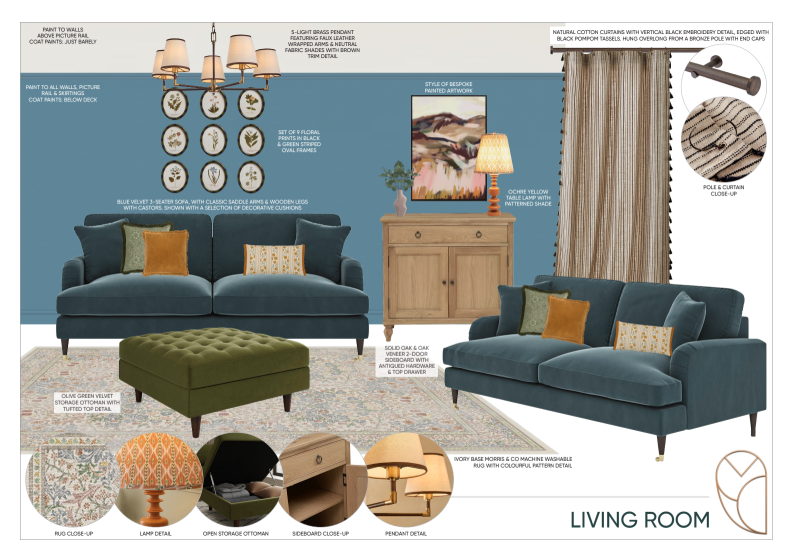
Choose Furniture That Suits The Scale Of The Room
One of the most common small living room design mistakes is choosing furniture that is too large, too deep or too visually heavy.
When selecting furniture, look for:
- Sofas with slim arms
- Raised legs to reveal more floor space
- Compact accent chairs instead of bulky armchairs
- Nesting tables instead of a large coffee table
- Wall-mounted shelving where possible
A smaller sofa with better proportions will usually look more stylish than an oversized one squeezed into the room. Comfort still matters, but the piece should leave enough space for side tables, lighting and movement.
If you are designing a compact flat or apartment, our page on apartment interior design ideas in Stourbridge offers more guidance on making smaller homes feel practical and well considered.
Use Storage As Part Of The Design
Storage is essential in a small living room, but it should feel built into the design rather than added at the end.
Good options include:
- Ottomans with hidden storage
- Built-in alcove cabinets
- Media units with closed storage
- Slimline shelving
- Storage benches
- Side tables with drawers
The key is to mix open and closed storage. Open shelving can display books, ceramics or personal items, while closed storage hides everyday clutter such as chargers, toys, paperwork and remote controls.
Too much open shelving can make a small room feel busy. Too much closed storage can feel heavy. A balanced mix usually works best.
Make The Room Feel Bigger Without Making It Plain
Many people assume small rooms must be painted white. While lighter colours can help, they are not the only answer.
To make a small living room look bigger, focus on:
- Consistent tones across walls and larger furniture
- Layered lighting instead of one ceiling light
- Mirrors placed where they reflect light or depth
- Curtains hung higher to draw the eye upwards
- Furniture with visible legs
- A clear route through the space
Style does not need to be sacrificed. A small lounge can still include colour, pattern and texture, but they need to be used with control. For example, a patterned cushion, textured rug or statement lamp can add personality without overwhelming the room.
Ready To Make More Of Your Small Living Room?
A small living room does not need to feel limiting. With the right layout, furniture and styling choices, it can become one of the most comfortable and considered spaces in your home.
For tailored advice, explore Otus Interior Design’s Individual Design Consultation service and get clear, practical guidance for your space.
Email: info@otusinteriordesign.co.uk
Call: 07866 973340
Book Your Consultation Today


